SUBD9-W-CAN+TR-V15S/V15
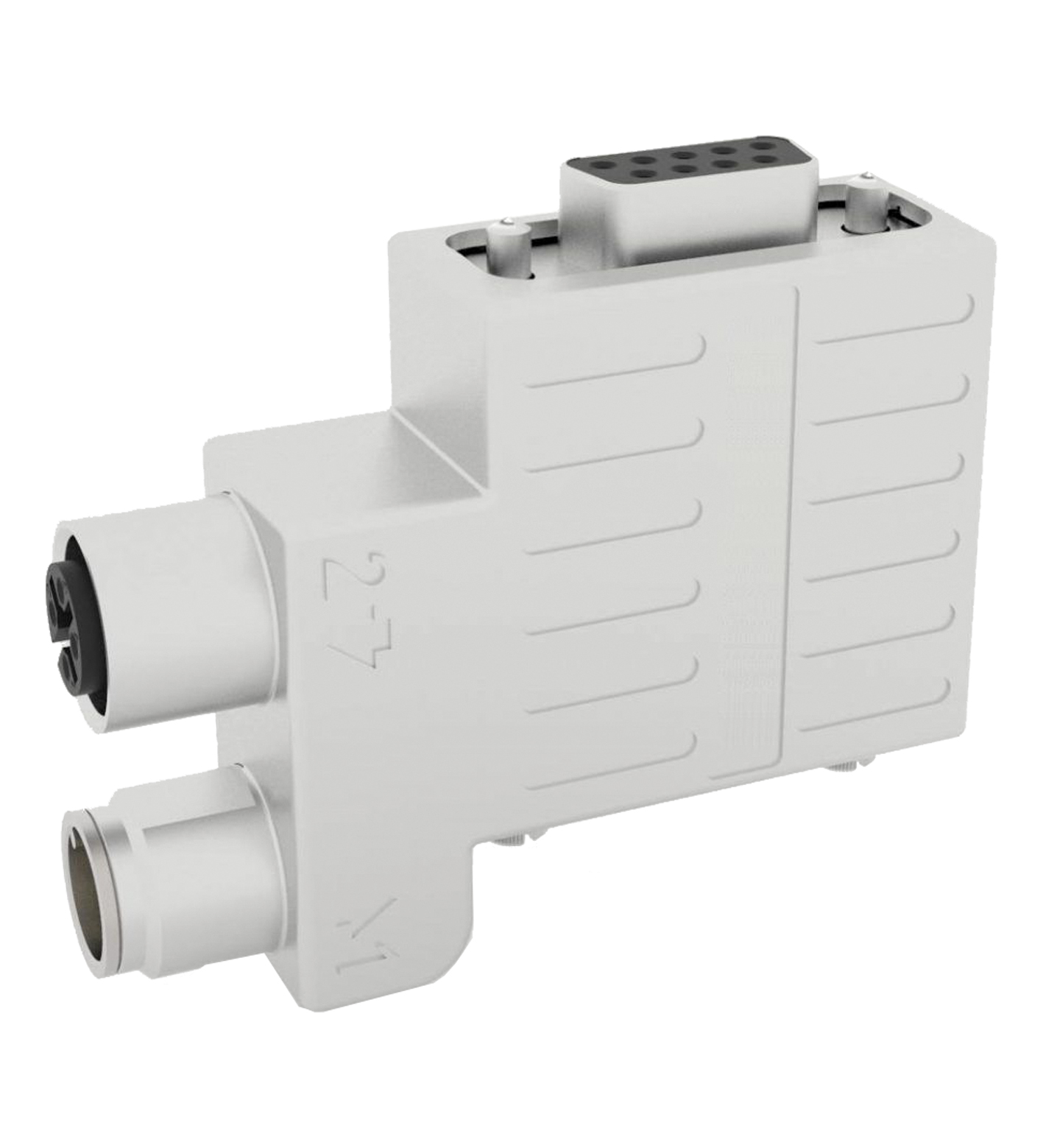
Adapter M12 x 1 on Sub-D. Adapter Sub-D straight 9-pin to M12 plug / M12 socket straight A-coded 4-pin. Connector 1: . ConnectionplugConstruction typeM12StylestraightLockingscrew connectionN...
Adapter M12 x 1 on Sub-D. Adapter Sub-D straight 9-pin to M12 plug / M12 socket straight A-coded 4-pin. Connector 1: . ConnectionplugConstruction typeM12StylestraightLockingscrew connectionNumber of pins5CodingA-coded: . Connection: plug. Construction type: M12. Style: straight. Locking: screw connection. Number of pins: 5. Coding: A-coded. Connector 2: . ConnectionsocketConstruction typeM12StylestraightLockingscrew connectionNumber of pins5CodingA-coded: . Connection: socket. Construction type: M12. Style: straight. Locking: screw connection. Number of pins: 5. Coding: A-coded. Connector 3: . ConnectionsocketConstruction typeSub-DStylestraightLockingscrew connectionNumber of pins9: . Connection: socket. Construction type: Sub-D. Style: straight. Locking: screw connection. Number of pins: 9. Operating voltage: 24 V DC. Operating current: max. 4 A. Degree of protection: EN 60529. Fieldbus standard: CAN bus 12 MBit/s. Plug connection: connector M12 x 1 : IEC 61076-2-101 Connector Sub-D : IEC 807-2. Ambient temperature: -20 ... 70 °C (-4 ... 158 °F). Relative humidity: max. 75 % at 25 °C non-condensing. Pollution degree: 2. Plug connector: . Mating cyclesmin. 200: . Mating cycles: min. 200. Connector 1: . Tightening torque0.6 Nm: . Tightening torque: 0.6 Nm. Connector 2: . Tightening torque0.6 Nm: . Tightening torque: 0.6 Nm. Connector 3: . Tightening torque0.3 NmLoosening protectionscrews UNC 4-40: . Tightening torque: 0.3 Nm. Loosening protection: screws UNC 4-40. Degree of protection: IP20. Mass: 94.56 g. Plug connector: . BodyZn alloy: . Body: Zn alloy. Note: Switchable terminal resistor according to CAN bus specification
| Brand | Pepperl Fuchs |
| Lifecycle status | active |